Lobster and clam chowder cooking classes in Boston
What happens in a Boston lobster and clam chowder cooking class?
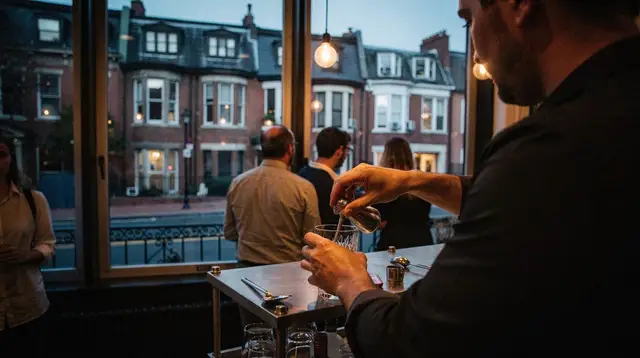
A chef demonstrates how to break down a lobster and build a New England clam chowder, then guests cook alongside for a hands-on portion before sitting down to eat what they made. Most sessions run in a demonstration kitchen or restaurant space in central Boston, with exact duration and format set by the operator.
What a lobster and chowder cooking class actually covers
New England built its reputation on two dishes more than any other: whole lobster, usually steamed or boiled and then picked apart at the table, and clam chowder, the cream-based soup thickened with potato and salt pork that shows up on nearly every menu in the city. A cooking class built around these two dishes takes visitors past the point of eating them and into the kitchen where they’re made.
The format is fairly consistent across operators, even if the specifics change. A chef starts with a demonstration: how to select and handle a live or whole-cooked lobster, how to work through a shell without destroying the meat inside, and how a proper chowder base comes together — the roux, the cream, the balance between potato and clams that keeps it from turning into wallpaper paste. After the demonstration, guests take over some or all of the hands-on steps themselves, usually working in small groups at stations. The session ends with everyone sitting down to eat what was cooked, sometimes with a beverage pairing included.
Typical duration runs somewhere in the two-to-three-hour range, but this is operator-dependent and worth confirming on the specific listing before you book. Group sizes tend to be small — cracking lobster shells at scale doesn’t work well in a lecture hall format, so most of these classes cap attendance to keep the hands-on portion manageable.
Why these two dishes, specifically
Lobster and clam chowder didn’t end up paired on cooking class menus by accident. Both are shorthand for New England’s food identity in a way few other dishes manage, and both reward the kind of close, guided attention a class provides rather than a rushed restaurant order. Whole lobster is intimidating to a lot of first-timers — there’s a real technique to getting at the meat in the tail, claws, and knuckles without turning the table into a mess — and a chef walking through it step by step demystifies something that otherwise feels like it requires growing up on the coast. Clam chowder looks simpler from the outside, but the difference between a thin, watery version and a properly built one comes down to technique that’s hard to pick up just from eating it: how the roux is handled, how much the potato is allowed to break down, when the clams go in so they don’t turn rubbery.
Putting the two together in a single class also mirrors how they actually show up on Boston menus — a chowder starter followed by a lobster main is one of the most common combinations in the city, from casual seafood shacks near the harbor to white-tablecloth dining rooms. Learning to make both in one session gives visitors a fuller picture of New England seafood cooking than either dish would on its own, and it’s part of why these classes tend to market themselves as a single combined experience rather than two separate offerings.
Where the seafood comes from
Some classes source their lobster and clams the same day from a local seafood market, and operators tend to mention this explicitly because it’s a point of freshness they’re proud of. This site covers the city’s seafood markets and sourcing elsewhere in more detail (see the clam chowder and seafood guide for context), so this page won’t repeat the specifics of which market or which day of the week. What matters for planning a class: if same-day market sourcing is important to you, check the listing description, since not every operator works this way. Some use seafood prepped and portioned in advance, which is a perfectly normal way to run a class but a different experience than watching a chef select from a market case that morning.
Where these classes happen
Most lobster and chowder classes run out of demonstration kitchens or restaurant spaces in or near downtown Boston, within reasonable range of the North End and the Seaport, where a lot of the city’s seafood trade and dining is concentrated. Exact locations are typically confirmed once you book, since some operators rotate between a few kitchen spaces depending on the day and group size.
None of this is walkable in the sense that you’d stumble into it — plan to know your kitchen’s address the night before, and check whether parking or public transit access is realistic for the time slot. If you’re relying on the T, note that service doesn’t run 24 hours a day; an evening class that runs late is worth double-checking against the last train.
Getting to your class without a car
Most demonstration kitchens booking these classes sit close to downtown Boston, which makes the MBTA — locally just called the T — a reasonable way to get there without worrying about parking. The T runs five lines (Red, Green, Orange, Blue, and Silver), and a CharlieCard is the standard way to pay, with fares in the range of $2.40 per ride as of 2026 and transfers included within a two-hour window; check mbta.com for the current fare before you travel, since it does change. One thing worth planning around: the T doesn’t run 24 hours a day. Lines shut down late at night and start back up in the morning, so if your class runs into the evening, check the last train on your line rather than assuming service will still be running when you’re ready to head back.
If you’re coming straight from Logan International Airport before or after a class, the Silver Line’s SL1 route connects the airport to downtown Boston and is free in the airport-to-city direction (a return fare applies the other way). The Blue Line is the other airport-adjacent option, reached via a free Massport shuttle to the Airport station. Note that the Commuter Rail — useful for day trips out to Salem, Plymouth, or Concord — is a separate network from the T with its own separate ticketing, so it’s not part of the same fare or route system covering these downtown cooking classes. Bluebikes, the city’s bike-share system, is also unrelated to the T and runs on its own membership and per-ride pricing.
Timing a class around the rest of your visit
Because lobster and chowder classes run indoors and aren’t tied to a specific outdoor season the way, say, a harbor cruise or a foliage tour is, they work at almost any time of year — which makes them a useful anchor for a day when the weather doesn’t cooperate. Boston’s fall runs roughly late September through late October, and while that’s prime time for outdoor sightseeing, it’s also when evening plans indoors, like a cooking class, are an easy way to end a day spent walking. Winter visits, when daylight is short and outdoor time is limited, are arguably when a hands-on kitchen session earns its keep most: it’s a way to spend a few hours actively doing something rather than just eating out again.
The one stretch of the year worth flagging is Patriots’ Day, the third Monday in April, when the Boston Marathon closes streets across the city and changes transit patterns for the day. It’s not a reason to avoid booking a class that week, but if your session falls on marathon day itself, build in extra time to get across town, since normal routes and T service can be disrupted.
What to expect if you’ve never taken a cooking class before
These aren’t culinary school. Nobody is expected to arrive with knife skills or seafood-handling experience. The chef does the parts that require real technique — breaking down a whole lobster cleanly is harder than it looks, and getting a chowder to the right consistency without curdling the cream takes some judgment — while guests handle the steps that are more forgiving: dicing potatoes, prepping aromatics, stirring, plating.
Dress for a kitchen: closed-toe shoes are common house rules, and you may end up smelling like brown butter and sea water by the end, which most people treat as a feature rather than a bug. If you have shellfish allergies, this is obviously not the class for you — there’s no meaningful way to make a lobster and clam chowder session allergy-safe, and operators won’t offer substitutions for the core dishes.
Pairing it with a food-focused day
A lobster and chowder class fits naturally into a day built around New England food more broadly. It pairs well with a walking food tour that covers the same themes from the eating side rather than the cooking side — tasting lobster rolls and chowder at a few different stops rather than making them yourself. If you want that contrast, see the lobster and lobster roll guide for tour options that cover the eating half of the equation.
It also complements a class or tour focused on the North End’s Italian food scene, which sits on the opposite end of Boston’s culinary identity — Italian-American rather than Yankee seafood. The North End Italian cooking class guide covers that side if you want to build a two-part food day: one class centered on New England shellfish, another on North End pasta and sauce work. Both are described in more detail on their own pages rather than repeated here.
Booking notes
These classes are typically booked in advance rather than walked into, since kitchen space and ingredient sourcing are planned around confirmed headcounts. If a specific date matters — a birthday, an anniversary dinner, a last night in the city — book early rather than assuming a spot will be open. Boston’s cooking class market skews toward Asian cuisine formats (ramen, hand-pulled noodles, sushi) alongside the New England seafood options, so double-check that the listing you’re booking is specifically built around lobster and chowder rather than a different cuisine before confirming.
While dedicated lobster-and-chowder classes rotate in availability, related hands-on cooking sessions and seafood-focused tours in Boston give a sense of the format and what a local chef-led session looks like:
a hands-on ramen cooking class with a local chef, for a sense of how these chef-led kitchen sessions run, a sushi-making class with a local chef, a hand-pulled noodles class, and a Seaport food tour that goes behind Boston’s lobster industry for the eating-focused counterpart to a hands-on class.
Prices for these sessions aren’t fixed here since they change by operator, season, and group size — check the current listing for the exact figure before booking.
Nearby and related activities
Boston’s food and drink scene extends well beyond a single cooking class. The Quincy Market and Faneuil Hall food tour covers one of the city’s busiest food halls, while the chocolate and cheese tasting tour takes a different angle on Boston’s food scene entirely. For a broader look at what’s covered under this site’s food and drink umbrella, see the things to do: food and drink tours hub, or browse cooking classes and workshops directly for the full current list.
If you’re staying in the North End or downtown Boston, a cooking class is an easy addition to an evening that also includes a walk of the Freedom Trail or dinner in one of the neighborhood’s Italian restaurants. Visitors based in Back Bay or Cambridge should budget extra travel time on the T or by rideshare, since most of these kitchens sit closer to the harbor side of the city.
Cooking classes and food workshops in Boston: FAQ
How long does a lobster and clam chowder cooking class take?
Typical listings run somewhere between two and three hours, covering both dishes plus a tasting, but the exact length depends on the operator and group size. Check the specific listing before booking.
Do I need cooking experience to join?
No. These are set up for visitors, not trained cooks. The chef leads the technical parts, like cracking a lobster shell or getting the chowder base right, and guests handle the more approachable steps.
Will I get a printed recipe to take home?
Many classes hand out a recipe card or written instructions at the end, but this varies by operator and isn’t guaranteed. Ask before booking if it matters to you.
Is the seafood fresh or frozen?
Some classes buy their seafood the same day from a local seafood market, which operators often highlight as a selling point. Others use pre-portioned ingredients prepped in advance. The listing description usually says which.
Are these classes vegetarian-friendly?
Not as a rule. The whole point of these sessions is lobster and cream-based chowder, so a vegetarian version is unlikely to be offered. Contact the operator directly if you have dietary restrictions.
Where in Boston do these classes usually happen?
Most are based in demonstration kitchens or restaurant spaces in or near downtown Boston, within reach of the North End and the Seaport. Specific addresses are confirmed after booking.
Is this the same as a food tour?
No. A food tour moves between multiple restaurants and involves no cooking. A cooking class is a single stop where you prepare food yourself under a chef’s guidance.
Can kids join a lobster and chowder cooking class?
It depends on the operator. Some welcome families and treat it as a hands-on activity for older kids; others are set up for adults only, especially where knives or hot stovetops are part of the hands-on portion. Check the listing’s age policy before booking if you’re bringing children.
How do I get to a cooking class without renting a car?
Most kitchens are near downtown Boston and reachable by the MBTA (the T) using a CharlieCard, or by rideshare. Confirm the last train time if your class runs into the evening, since the T doesn’t operate around the clock.
Cooking classes and food workshops in Boston on GetYourGuide
Verified deep-linked GetYourGuide tours. Book through these links and we earn a small commission at no cost to you.
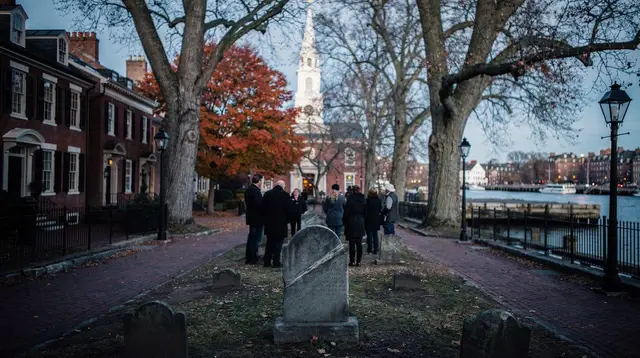
GetYourGuide does not provide a product photo for this activity — the image shows the meeting point, photographed by us.