Boston cocktail workshop guide
What happens at a Boston cocktail workshop?
A bartender or mixologist leads a small group through making a few classic or Boston-themed cocktails, usually in a bar or event space downtown or in Back Bay. Sessions typically run in the late afternoon or evening and require participants to meet the legal drinking age.
How a Boston cocktail workshop actually works
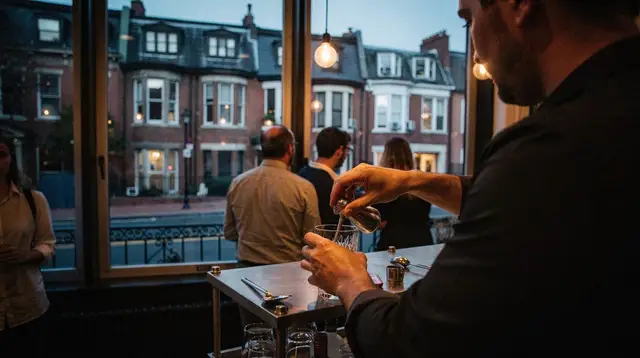
A cocktail workshop is a hands-on class, not a bar crawl. A bartender or professional mixologist walks a small group through making a handful of classic or Boston-themed cocktails, step by step, usually with everyone working at a shared bar setup or individual stations. The format sits somewhere between a cooking class and a social night out, and it’s grown into one of the more popular indoor activities in Boston for visitors who want something interactive rather than passive.
Most sessions are capped at a small group size, which keeps things personal and gives the instructor time to correct technique, explain why a shake ratio matters, or answer questions about spirits and mixers. This is the main thing that separates a workshop from simply ordering a drink at a bar: you’re doing the measuring, shaking, and garnishing yourself, under guidance.
Venues vary. Some workshops happen in a dedicated bar that runs classes outside normal service hours, others in an event space or hotel lounge set up specifically for group sessions. Downtown Boston and Back Bay host a good share of these, both for practical reasons — central location, easy transit access — and because both neighborhoods have a concentration of bars and event spaces used to running private and small-group bookings.
Format, group size, and what to expect on arrival
Expect a structured session: a short introduction to the tools and technique, then two to four cocktails made across the class, usually built around a theme (classics, a seasonal menu, or drinks tied loosely to New England ingredients). You’ll typically get your own tasting portion of each drink you make, sometimes paired with light snacks depending on the operator.
Groups tend to run from a handful of people up to a couple dozen for larger open sessions, though some operators cap it much smaller for a more one-on-one feel. If you’re booking for a birthday, bachelorette party, or work outing, ask specifically about private group options — many venues offer a version of the class exclusively for your party.
Duration is worth checking directly with the operator rather than assuming: it typically runs somewhere in the range of ninety minutes to a couple of hours, but exact length depends on group size, number of drinks covered, and whether food is included. Don’t book tight against another activity without some buffer.
Timing: usually late afternoon or evening
Cocktail workshops in Boston are generally scheduled for late afternoon or evening slots, which fits both the social tone of the activity and the fact that most venues use their space for regular bar service later at night. Exact start times vary by operator and by day of the week, and change seasonally, so this guide won’t give you a specific hour — check the listing for the date you want, or contact the venue directly.
If you’re planning a full day around Boston sightseeing, a cocktail workshop works well as a wind-down activity after an afternoon on the Freedom Trail or a day exploring Back Bay on foot. Pair it with an earlier dinner reservation if the session doesn’t include food.
Seasonality matters more than most visitors expect. During fall foliage season (roughly late September through late October), evening activity bookings across the city fill up faster, since travelers are already stacking days with outdoor sightseeing and want an indoor, low-effort evening plan to close the day. The fall foliage guide covers that broader seasonal window if a workshop is one piece of a longer New England itinerary. Winter brings the opposite pattern — colder evenings push more visitors toward exactly this kind of indoor, seated activity, and the Boston in winter guide has more on what else fills an evening when outdoor plans aren’t appealing. Around Patriots’ Day and the Boston Marathon in mid-April, hotel and activity availability across the city tightens considerably, so book earlier than you otherwise would if your trip lands on that week.
Getting to your workshop
Most cocktail workshop venues sit in downtown Boston or Back Bay, both well served by the T, the subway system run by the MBTA. A CharlieCard covers the ride, and transfers between lines are included within a set window after the first tap. The Green Line runs directly through Back Bay, with stops convenient to workshops held near Newbury Street or the Prudential area, while the Orange and Red Lines serve downtown and the Freedom Trail corridor.
Keep in mind the T doesn’t run all night — service stops in the early hours and resumes in the morning, so if your workshop runs into a late evening, check the last train time for your line before you commit to transit over a taxi or rideshare back to your hotel. The guide to getting around Boston without a car and the dedicated MBTA guide both cover the system in more detail, including how it differs from the separate Commuter Rail network that serves the suburbs rather than the city core.
If you’re staying across the Charles River in Cambridge — a separate city from Boston, home to Harvard and MIT — factor in extra transit time to reach a downtown or Back Bay venue. The Red Line connects Cambridge to central Boston directly, but a workshop that starts in early evening during rush hour is worth leaving extra buffer for.
The age requirement — non-negotiable
Because the entire activity involves preparing and tasting alcoholic drinks, every participant must meet the legal drinking age set by Massachusetts law. This isn’t a suggestion or a soft house policy — venues serving alcohol are required to verify age, and staff will ask for a valid, government-issued photo ID at check-in. Non-drinkers or underage guests generally can’t be accommodated in the standard format, since the class is built entirely around alcohol preparation and tasting. If you’re traveling with a mixed-age group, this is worth confirming with the operator before you book rather than after.
What these workshops don’t include
A cocktail workshop is not a bar tour. You stay in one location for the full session rather than moving between venues, and the emphasis is on technique and hands-on practice rather than sampling a city’s bar scene. It’s also not a substitute for a proper meal — some operators include light bites, but many don’t, so eat beforehand or plan dinner around the session.
It’s also worth knowing that specific cocktail recipes, bar names, and spirit brands vary by operator and change over time, so this guide deliberately doesn’t name a signature drink, a specific venue, or an alcohol brand. Check the current listing for what’s on the menu the day you book.
Cocktail workshops vs. speakeasy and cocktail tours
If you want a broader taste of Boston’s cocktail scene rather than a single class, a speakeasy or cocktail tour is the closer fit. These tours move between several bars — often ones with a hidden-entrance or Prohibition-era theme — and focus on atmosphere, history, and tasting a wider range of drinks rather than learning to make them yourself. Boston has a handful of well-known speakeasy-style bars, and a guided tour is generally the easier way to find them without wandering unmarked doors on your own. The full breakdown of that format, including what a typical route covers, is in the speakeasy and cocktail tour guide.
Some visitors do both on the same trip: a workshop for the hands-on technique earlier in the evening, then a shorter tour or a couple of bar stops afterward to see the scene itself. If your interest runs more toward beer than spirits, the craft brewery tour guide covers a similar small-group tasting format built around New England breweries instead.
Comparing the format to other Boston tasting experiences
| Experience | What you do | Typical setting | Alcohol involved |
|---|---|---|---|
| Cocktail workshop | Make several drinks yourself, guided by an instructor | One bar or event space | Yes — age verification required |
| Speakeasy / cocktail tour | Visit multiple bars, taste drinks made by staff | Several venues, on foot | Yes |
| Craft brewery tour | Taste beer across one or more breweries | Brewery taprooms | Yes |
| Cooking class | Prepare food, sometimes paired with wine | Kitchen or culinary studio | Sometimes |
This kind of comparison table is useful mainly for deciding what to book first if you only have time for one tasting-style activity on your trip.
What pricing and taxes actually cover
Exact prices vary by operator, group size, and how many drinks are included, so this guide won’t quote a figure — check the current listing when you book. What’s worth knowing in advance is how Massachusetts taxes apply. If your workshop includes food alongside the cocktails, expect the meals tax to apply to that portion of the bill — a combined state and local rate of roughly 7% in Boston, distinct from the general 6.25% Massachusetts sales tax that applies to most other purchases. Alcohol served and consumed on-site as part of a class typically falls under the same meals tax treatment as a restaurant order, rather than being taxed separately. None of this is something you calculate yourself — the operator’s listed price and any tax line will show up at checkout — but it explains why a quoted price and a final charge don’t always match exactly.
Tipping isn’t legally required but is customary for the instructor, similar to tipping a bartender or server; how much and whether it’s built into a private group rate varies by venue, so ask when booking if it isn’t already clear from the listing.
Booking a spot
A few practical points worth checking before you book any cocktail workshop:
- Confirm the exact start time and duration directly with the operator — both vary by date and group size.
- Ask whether food is included, and if not, plan a meal around the session.
- If traveling with anyone under the Massachusetts legal drinking age, confirm in advance whether they can attend at all, since most formats don’t accommodate non-drinking participants.
- Ask about private group bookings if you’re celebrating something specific — many venues run a dedicated version of the class for private parties.
- Venue location matters for planning your day: a downtown session pairs naturally with Freedom Trail sightseeing, while a Back Bay session sits closer to the Museum of Fine Arts and Newbury Street shopping.
One option built specifically around a shared creative and drink-making format is a paint night with cocktails at a trendy Boston venue, which combines the class structure with a guided painting session. For something closer to Back Bay’s gallery and museum scene, there’s also a guided Back Bay tour pairing chocolate tastings with art galleries, useful if you want a lighter, food-focused alternative in the same neighborhood.
For an evening that folds a cocktail-making element into a broader food experience, look at an evening food and cocktail experience combining several tastings in one outing. And if you’d rather build a custom evening around a workshop plus other stops of your choosing, a private, custom-built tour led by a local guide lets you set the itinerary yourself.
Where to stay and what to pair it with
Because most workshops run in downtown Boston or Back Bay, staying in either neighborhood cuts down on evening transit after the session — useful if the class runs later and you’d rather not plan a long ride back. The Back Bay neighborhood guide covers the brownstone streets and shopping worth seeing beforehand if you arrive with daylight to spare.
For a full evening built around food and drink rather than sightseeing, consider combining a cocktail workshop with an earlier stop at one of the North End’s Italian restaurants or a walk through Quincy Market before heading to your session. Travelers building a longer stay around food and drink activities generally should also check the family and craft workshops guide for other hands-on options that don’t require the legal drinking age, useful if part of your group won’t be joining the cocktail class itself.
If cost is a factor in planning your trip, the Boston on a budget guide has broader context on how a workshop like this compares, price-wise, to other evening activities in the city — though as with timing, specific pricing for any workshop should be checked directly with the operator rather than assumed from this guide.
Building it into a first-time itinerary
For visitors on their first trip to Boston, a cocktail workshop tends to work best slotted into an evening that’s otherwise light on plans — after a full day of walking the Freedom Trail or touring Boston Harbor, an indoor, seated activity is a natural way to wind down without more walking. The first-time Boston guide and the three days in Boston itinerary both cover how to sequence a trip so an evening activity like this doesn’t compete with a packed daytime schedule. If you’re building a longer stay that mixes sightseeing with hands-on experiences, the how many days in Boston guide can help decide whether one evening workshop fits comfortably or whether it’s worth trading out a different activity to make room.
Couples and small groups celebrating something specific — an anniversary, a bachelorette weekend, a milestone birthday — are a natural fit for the private booking option many operators offer, since a workshop format lends itself to a shared, hands-on activity that doesn’t require prior cocktail experience from anyone in the group.
Cooking classes and food workshops in Boston on GetYourGuide
Verified deep-linked GetYourGuide tours. Book through these links and we earn a small commission at no cost to you.
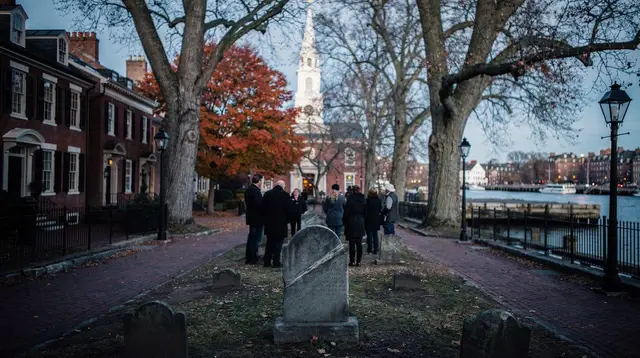
GetYourGuide does not provide a product photo for this activity — the image shows the meeting point, photographed by us.