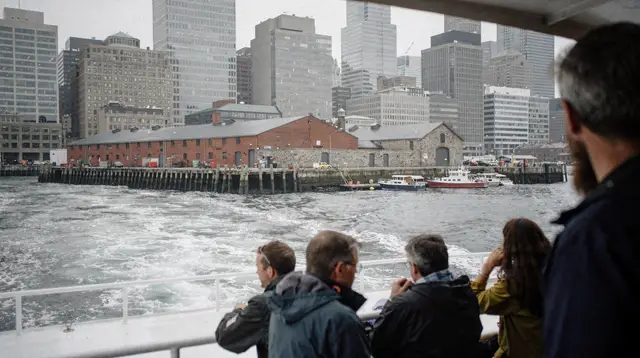
Boston Harbor Islands: the ferry-only nature escape
What are the Boston Harbor Islands and how do you get there?
They're a cluster of small, mostly wooded islands in Boston Harbor, reached by ferry from Long Wharf near the New England Aquarium. Ferries generally run from late spring through September, with little or no service the rest of the year, so this is a warm-season plan, not a year-round one.
An archipelago most visitors never notice
Boston Harbor has more than 30 islands scattered off the downtown waterfront, and most people walking the Boston Harbor shoreline never look far enough out to register them. That’s the appeal. Without leaving the city, and without renting a car, you can get on a boat and be walking through woods, along a beach, or past the crumbling walls of an old harbor fortification within half an hour.
This isn’t a wilderness trip. The islands sit close enough to shore that you can usually still see the Boston skyline from open ground, and the largest ones have graded trails, picnic areas, and basic visitor infrastructure. What they offer is contrast: open sky, saltwater, and quiet after a few days of the Freedom Trail’s crowds and the North End’s noise.
The trade-off is timing. This is a ferry-only, warm-season activity, and it’s worth understanding that before you build a day around it.
Getting there: Long Wharf, not the airport ferry
Boston Harbor Islands ferries depart from Long Wharf, on the downtown waterfront near the New England Aquarium — the same general dock area used by several harbor cruise operators, including the boats that run whale watching trips. It’s a short walk from Faneuil Hall and the Boston Harbor waterfront, reachable on foot from downtown or via the Blue Line to Aquarium station.
There is no bridge, no causeway, and no way to drive to any of the islands. A ferry is the only access point, which is part of why the islands stay quieter than almost anywhere else this close to downtown.
Getting to Long Wharf itself is straightforward without a car. The Blue Line stops directly at Aquarium station, a short walk from the ferry dock, and a CharlieCard covers the fare with transfers included within a two-hour window. The Orange and Green Lines connect to the Blue Line downtown if you’re starting from Back Bay, the Seaport, or Cambridge. Keep in mind the T doesn’t run around the clock — check your return options if you’re combining the ferry with an evening plan elsewhere in the city. The getting around Boston without a car guide and the MBTA guide cover the system in more detail.
Book a round-trip ferry out to the harbor islandsIf you’d rather stay on the water than land on an island, the same waterfront area is also the departure point for harbor and river sightseeing. An architecture-focused cruise covering the harbor and the Charles River is a reasonable alternative or add-on if the weather turns or you want a different pace.
Take a guided architecture cruise covering the harbor and the Charles RiverWhat’s actually on the islands
Set expectations correctly: this is a nature and history outing, not a resort island. What you’ll typically find across the archipelago:
- Walking trails. Short, well-marked paths through wooded interiors and open grassland, generally easy enough for most fitness levels, with a few steeper stretches on hillier islands.
- Beaches. Harbor-facing shoreline, some sandy, some rockier, with water quality and swimming conditions that vary island to island and season to season.
- Old fortifications. Several islands carry the remains of coastal defense structures built over different periods of American history. Condition and public access vary by island and by year, so treat any specific structure as something to confirm on arrival rather than something to plan a whole visit around.
- Picnic areas. Open lawns and shaded spots suited to bringing your own food, since on-island food service is limited or absent depending on the island and the season.
- Views back to the city. One of the more striking parts of the trip: open water and quiet trails with the Boston skyline still visible in the distance.
None of this requires technical hiking gear. Sturdy, comfortable shoes and a bottle of water cover most of what you’ll need.
The season: this is not a year-round plan
The single most important fact about the Boston Harbor Islands is that they’re a seasonal destination. Ferry service generally runs from late spring or early summer through September, tracking the warm-weather months when demand and daylight both support it. Outside that window, service is typically reduced sharply or suspended entirely.
This matters because the islands look, on a map, like a short hop from downtown available any day of the year. They aren’t. If you’re visiting Boston in October through April, budget this out of your itinerary unless you’ve confirmed current service directly with the ferry operator — schedules, routes, and which islands are served can all change year to year, and this guide won’t guess at a specific timetable that might be wrong by the time you read it.
If you’re traveling in the shoulder months and unsure whether the islands will be running, the Boston in winter guide and the best time to visit Boston guide both cover what’s realistically open when.
How much time to set aside
A single island, round trip, is comfortably a half-day plan: ferry out, two to three hours walking and exploring, ferry back. That’s enough time to walk most of a smaller island’s trail network, sit on a beach, and eat a packed lunch without rushing.
A full day lets you combine two islands on routes where the ferry schedule allows a connection, or simply slow down — longer walks, more time on the water, and a later return. If you’re combining the harbor islands with other downtown activity on the same day, treat it as either a morning or an afternoon block, not something to squeeze into an hour between other stops.
| Plan | Time needed | Good for |
|---|---|---|
| One island, round trip | Half day (roughly 3–4 hours total) | First-time visitors, families, a break from downtown crowds |
| Two islands or a slower pace | Full day | Longer hikers, photographers, anyone prioritizing nature over sightseeing density |
| Combined with a harbor cruise | Half day plus a cruise | Visitors who want time on the water even if weather limits island walking |
How it compares to whale watching
Both trips leave from roughly the same stretch of downtown waterfront near the New England Aquarium, which leads some visitors to lump them together. They’re different outings.
Whale watching heads well offshore to the Stellwagen Bank area, runs several hours round trip, and is itself seasonal — generally April through October, tracking whale migration rather than ferry logistics. The harbor islands trip is a much shorter run to land you can actually walk on, and it’s built around hiking and beach time rather than wildlife spotting from a moving boat.
If you only have time for one harbor-adjacent outing, whale watching suits visitors who want open ocean and the chance of marine life; the harbor islands suit visitors who want a short hike and quiet shoreline without leaving the harbor itself. The whale watching guide covers that trip in full.
For a different kind of harbor time, a sunset or evening cruise stays on the water without requiring a landing at all.
Stay on the water for an evening harbor cruise instead of a landing tripOther ways to spend time on the harbor
The harbor islands are one of several ways to get out on Boston Harbor, and it’s worth knowing the alternatives if the ferry schedule doesn’t line up with your dates. A general Boston Harbor cruise covers sightseeing on the water without a landing, while a sunset cruise or a dinner cruise turn the same stretch of water into an evening outing rather than a daytime hike. If you’re weighing the harbor islands against a harbor cruise more directly, the harbor cruise vs. whale watching comparison covers the tradeoffs between staying on the boat and heading further offshore, and much of the same logic applies to choosing between a cruise and a landing on the islands.
None of these require choosing just one for a longer stay — a harbor-facing itinerary can mix a landing day on the islands with an evening cruise later in the trip.
A no-ferry alternative: Boston’s own green space
If the ferry schedule doesn’t line up with your trip, or the weather isn’t cooperating, Boston has a car-free, ferry-free green alternative right downtown: the connected chain of parks and paths known as the Emerald Necklace, running from the Public Garden and Boston Common out toward the Fenway area.
It’s a different kind of outing — paved paths and landscaped parkland rather than island trails and beaches — but it delivers open space and a break from downtown streets without any boat involved. The Public Garden and Emerald Necklace guide covers the route.
For paddling rather than walking, the Charles River is another car-free, no-ferry way to get on the water; see the kayaking the Charles River guide.
Packing and practical notes
- Water and food. On-island food service is limited or absent depending on the island and the time of year. Bring what you’ll want to eat and drink.
- Footwear. Trails are generally easy but uneven in places; sturdy shoes beat sandals.
- Sun and wind. There’s little shade on open grassland and beach areas, and wind off the water can be noticeable even on a warm day — sunscreen and a light layer both earn their space in a bag.
- Cell service. Coverage can be patchy on some islands. Download maps, tickets, or anything else you’ll need before you leave the dock.
- Timing your return. Ferries run on a fixed schedule with limited departures, unlike the T. Know your return time before you start walking, and build in margin rather than aiming for the last boat.
Where this fits in a Boston itinerary
The harbor islands work best as a change of pace mid-trip — a half day of open air after a couple of days of walking the Freedom Trail, the North End, and downtown museums. They’re not a first-day priority for a short visit, since the seasonal window and ferry logistics make them a plan that needs some flexibility around weather and timing.
If you’re building a longer stay that includes a nature day, the five days car-free itinerary and the one week of day trips itinerary both have room to slot this in. For a shorter visit, it competes for time with the Boston Harbor Islands day itinerary, built specifically around this trip.
Long Wharf sits within easy walking distance of Faneuil Hall and Quincy Market, which makes a food stop a natural way to end the day once you’re back on dry land. A guided food tour through the market stalls, or a walk into the North End for Italian food, both work well as a follow-up to an afternoon on the water. See the Quincy Market and Faneuil Hall food tour guide and the North End Italian food tour guide for specifics.
Combine it, if you like, with other harbor-facing stops on the same waterfront — the USS Constitution across the water in Charlestown, or a different vessel entirely for those who want the harbor experience under sail rather than on a passenger ferry.
See the harbor from a traditional tall ship under sailBoston Harbor Islands: the essentials
Where do the ferries leave from?
Long Wharf, on the downtown waterfront near the New England Aquarium — the same general area used by several other harbor boat operators.
What months do the ferries run?
Generally from late spring or early summer through September, with reduced or no service outside that window. Confirm exact dates with the ferry operator before you plan a specific trip, since the schedule can shift year to year.
Do you need to book in advance?
It’s worth checking current booking options before you go, especially in peak summer weeks when demand is higher; walk-up availability isn’t something to count on for a specific island or departure time.
Is there swimming?
Some islands have beach access, but water quality, currents, and any lifeguard coverage vary by island and by date. Treat swimming as something to assess on arrival rather than a guaranteed part of the trip.
Can you visit more than one island in a day?
Sometimes, depending on the ferry routing and connections available that season. A single island is the safer plan if you want a relaxed pace rather than a tight connection.
Is this trip suitable for kids?
Generally yes — the trails are mostly easy walking and the ferry ride itself is part of the appeal for younger visitors — but bring water, snacks, and sun protection, since facilities on the islands are limited.
How does this compare to a harbor cruise that doesn’t land anywhere?
A harbor cruise keeps you on the boat the whole time, sightseeing from the water; the harbor islands trip gets you off the boat to walk trails and beaches. They’re complementary rather than substitutes, and both leave from the same stretch of downtown waterfront.
What if the ferry isn’t running when I’m in Boston?
Outside the roughly late-spring-to-September window, plan on this being unavailable and look instead at car-free green space downtown, such as the Public Garden and Emerald Necklace, or a seasonal option better suited to your travel dates.
Whale watching and outdoor tours around Boston on GetYourGuide
Verified deep-linked GetYourGuide tours. Book through these links and we earn a small commission at no cost to you.
GetYourGuide does not provide a product photo for this activity — the image shows the meeting point, photographed by us.